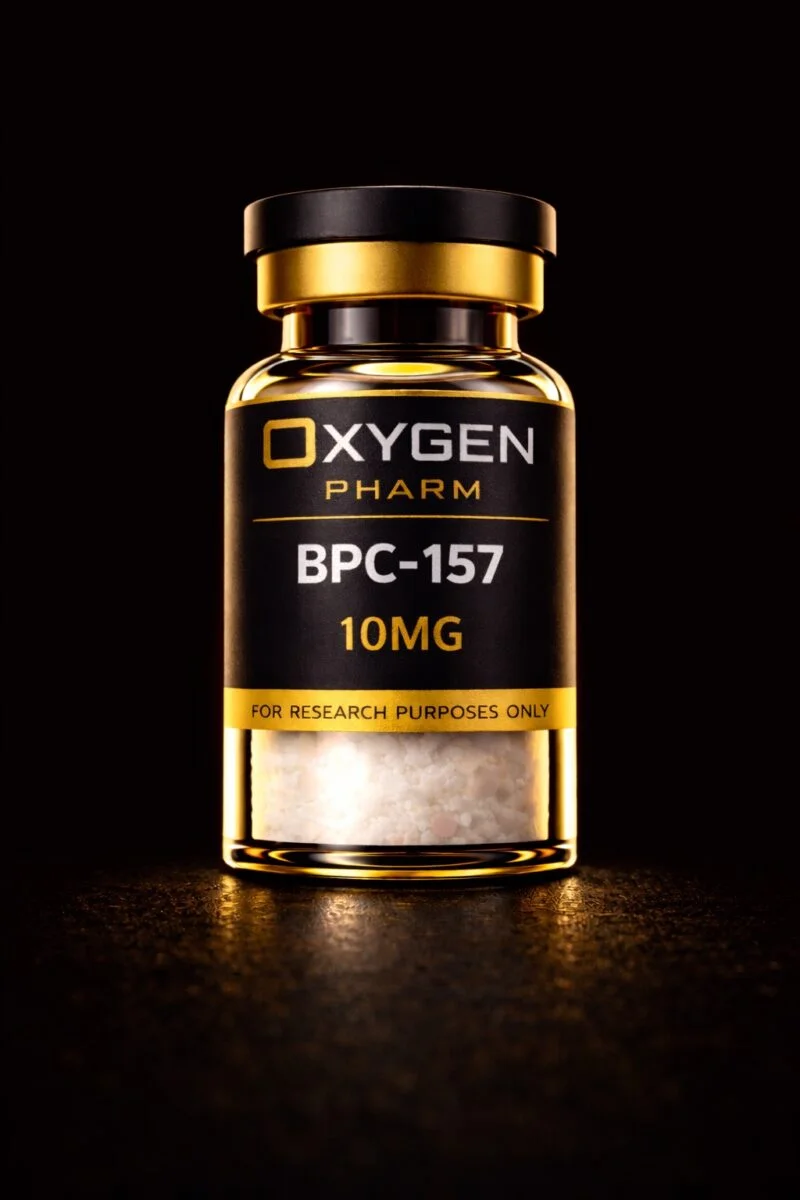
BPC-157 Peptide
Product Overview
BPC-157, also known as Body Protection Compound 157, is a synthetic research peptide composed of 15 amino acids. It has attracted significant scientific interest for its role in experimental models involving tissue recovery, cellular repair, and gastrointestinal integrity.
Originally associated with a protective peptide sequence linked to gastric compounds, BPC-157 is now widely examined in laboratory settings for its potential relevance to tendon, ligament, muscle, nerve, and gut-focused research. Its broad research profile has made it a notable compound in ongoing investigations related to regenerative signaling and tissue response.
Research Profile
BPC-157 is frequently studied for its possible involvement in pathways associated with:
- tissue regeneration
- angiogenic signaling
- collagen formation
- cellular migration
- gastrointestinal support mechanisms
- musculoskeletal recovery models
In preclinical research, the peptide has been explored for how it may interact with signaling systems involved in repair processes, blood vessel development, inflammatory response, and functional recovery following tissue stress or injury.
Areas of Scientific Interest
Tissue and Wound Repair
BPC-157 has been examined in experimental models involving skin, connective tissue, and structural repair. Researchers have studied its potential relationship to collagen deposition, vascular development, and tissue remodeling during recovery.
Tendon and Ligament Research
This peptide is often included in studies involving tendon fibroblasts and connective tissue response. Investigators have explored whether BPC-157 may influence cellular migration, structural organization, and signaling pathways associated with tendon recovery.
Gastrointestinal Research
BPC-157 has also received attention in laboratory models focused on gastrointestinal tissue integrity. Research interest has included gastric and intestinal healing, mucosal support, and the peptide’s possible interaction with regulatory systems within the digestive tract.
Muscle Recovery Models
In experimental muscle-injury settings, BPC-157 has been investigated for its possible effect on tissue restoration, structural recovery, and functional improvement under stressed conditions.
Neurological and Systemic Research
Additional studies have examined BPC-157 in broader laboratory contexts involving the nervous system, inflammatory regulation, vascular response, and whole-body healing models.
Chemical Information
Molecular Formula: C62H98N16O22
Molecular Weight: 1419.55 g/mol
Also Known As: Pentadecapeptide BPC-157, Body Protection Compound 157
Research Applications
BPC-157 is commonly selected for laboratory work involving:
- peptide signaling research
- tendon and soft tissue studies
- GI integrity models
- angiogenesis-focused investigations
- muscle and connective tissue experiments
- cellular repair and recovery pathways
Important Notice
For Research Use Only.
This compound is intended strictly for laboratory, analytical, and investigational use.
- Not for human consumption
- Not for veterinary use
- Not intended to diagnose, treat, cure, or prevent any disease
- Must be handled only by qualified professionals in appropriate research environments